When I was a kid, my favourite game with my father began with a question: what would you do if you suddenly woke up in a foreign city one morning? I enjoyed listening to his answers, which ranged from fascinating to grotesque, and he sometimes used them to increase my general knowledge. He had invented the game to help me remember prominent cities and what made each of them distinctive. The rule was not to repeat a city’s name for at least a week.
But cities did get repeated, and would often come with a different solution, except for Washington, DC. There, he would go to the memorial of Abraham Lincoln, the tenacious boy who had journeyed from a log cabin to the White House. I am sure that, besides his admiration for Mr Lincoln’s remarkable ascent, this was part of my father’s continuing effort to impress upon my young mind the fruits of hard work. My father, who worked for the Indian Railways, also wanted to see Southern Railway No. 1401, a Ps-4 class steam locomotive preserved in a museum in Washington.
One of my earliest memories is of huge steam locomotives thundering past our house, pulling a string of maroon carriages behind them. I especially liked the one with the bullet-shaped face and a silver star right in the middle. It was certainly the one that took me on my first train journey. Although steam locomotives have long since faded from the tracks of Indian Railways, my love for them has not.
A brief official assignment in Washington was a highly unusual occurrence in my little world. Given the weather at work, I regarded it as neither triumph nor calamity. What mattered was that I would be there for five days, only two of which would belong to me.
The assignment itself had another layer of absurdity. The ‘cutting-edge’ software on which the review was to be conducted was still in the neonatal ICU of the Information Technology team. My review of the Washington office was to be its pilot project, to be completed before the end of June 2025. In effect, I was being launched into space aboard an experimental rocket whose design was still being finalised, with the additional convenience that I was responsible for both flying the thing and helping to build it.
I already had the right US visa for the assignment, and briefly entertained the thought of taking my homemaker along, adding a few days’ leave, and making a little tour of the American East Coast. The US Consulate, however, declined my request for an expedited visa for her, thereby restoring the journey to its official dimensions: a brief business visit, with flashes of Washington to be stolen during two days of leisure and in whatever hours the three working days might spare.
And so, on Sunday, 22 June 2025, after some thirty hours spent variously in aircraft, airports and that peculiar limbo between the two, I landed in Washington, DC. A friend had come to receive me. Somewhere between the airport and the city, I told him about the steam locomotive I wanted to see at the Smithsonian’s National Museum of American History.
My friend smiled. “People come to Washington to see the monuments. You want to see an old train.”
I tried to assure my friend that there was little chance of my getting lost in Washington, and even less of my coming to bodily harm, but he remained unconvinced and insisted on staying with me for the day. From my hotel, we proceeded directly to the Smithsonian’s National Museum of American History on Constitution Avenue.
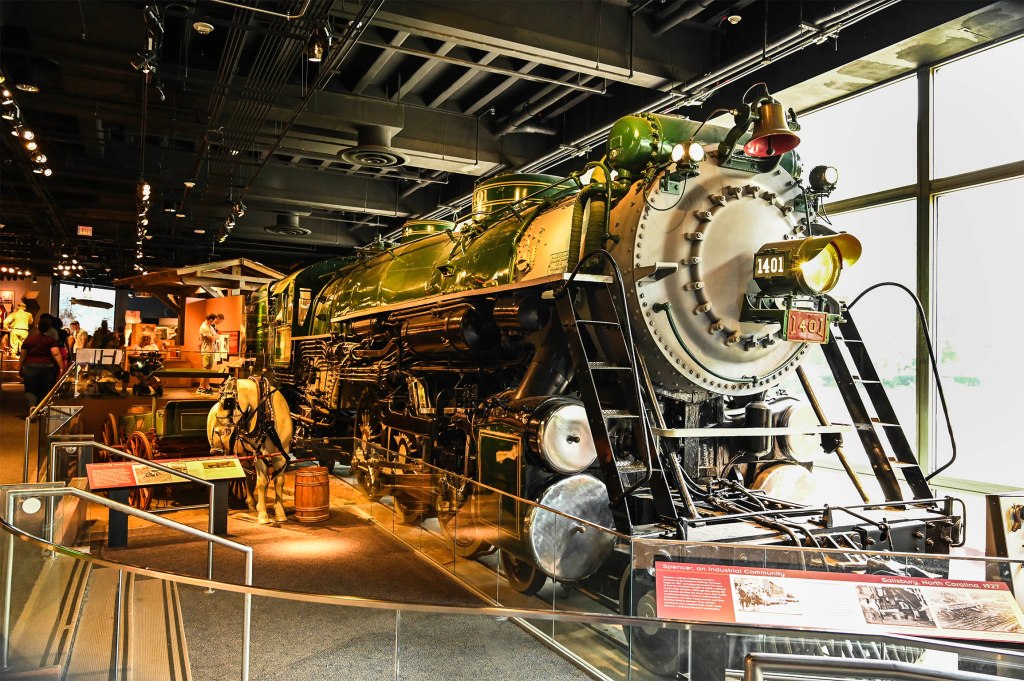
Before long, I was standing before that ‘old train’: the magnificent green-and-gold Southern Railway No. 1401. Built in 1926, the powerful locomotive could haul twelve to fifteen passenger coaches at around eighty miles an hour. The old locomotive was a monument in its own right, with a chapter in American history. In April 1945, after Franklin D. Roosevelt died at Warm Springs, Georgia, No. 1401 was entrusted with his funeral train for part of its solemn journey towards Washington.
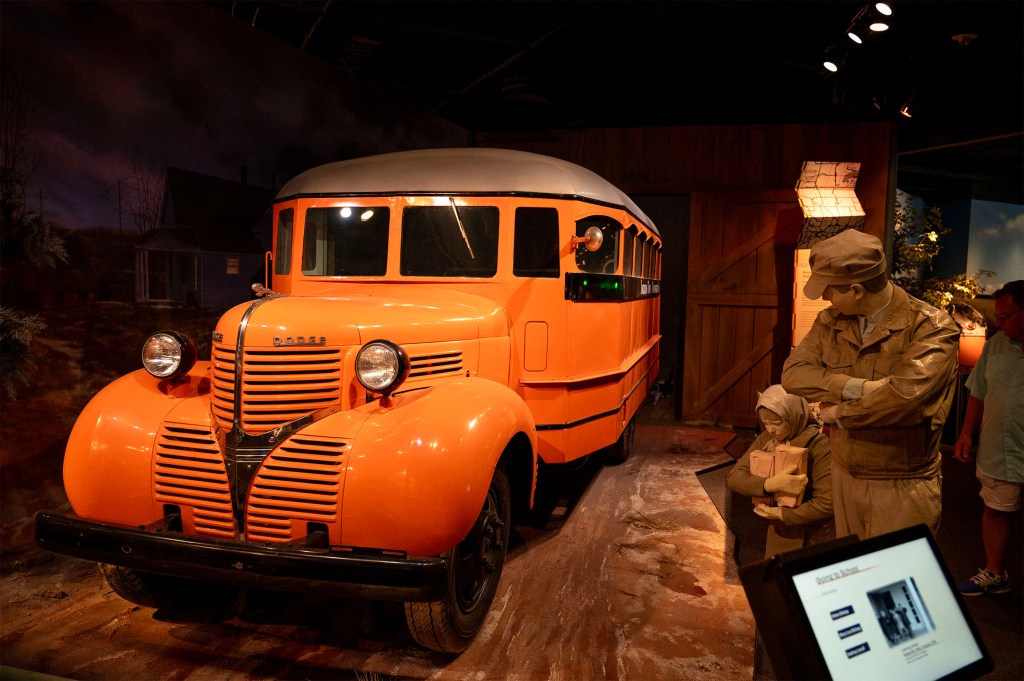
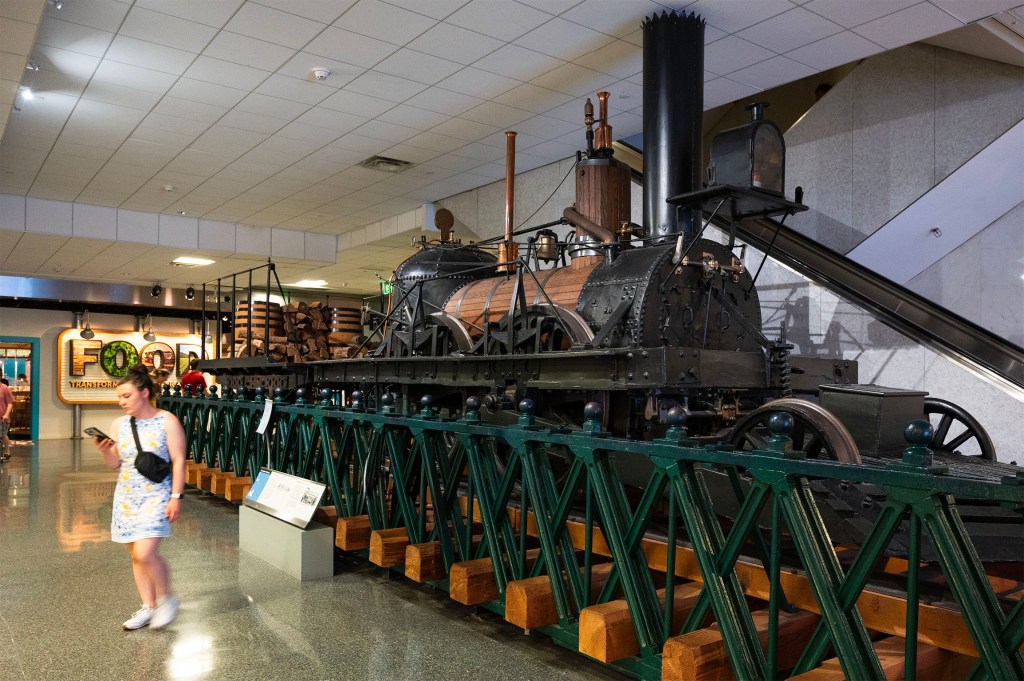
There was also the considerably older John Bull, built in England in 1831 and, remarkably, still the oldest surviving locomotive capable of operation—a claim it proved by steaming down the tracks again on its 150th birthday in 1981. Amid the locomotives, machines and other relics of American industry, a bright orange school bus caught my eye. It was the sort that had helped change the geography of American schooling, carrying children beyond the little one-room schoolhouses that once dotted the countryside. History, I was discovering, did not always arrive in marble or bronze. Sometimes it came painted a cheerful orange.
As we stepped out of the museum, Washington changed scale.
The avenues seemed extraordinarily broad and geometrically assured; the pavements and cycle paths were generous, the lawns immense, and trees cast pools of shade along the streets. Above them stretched a sky crowded with luminous white clouds. The day was probably warm by Washington standards but quite agreeable to my Indian constitution, and the air felt remarkably clean.
What struck me most, however, was the confidence of the city. Washington did not need skyscrapers to proclaim its importance. Its power seemed to spread sideways.
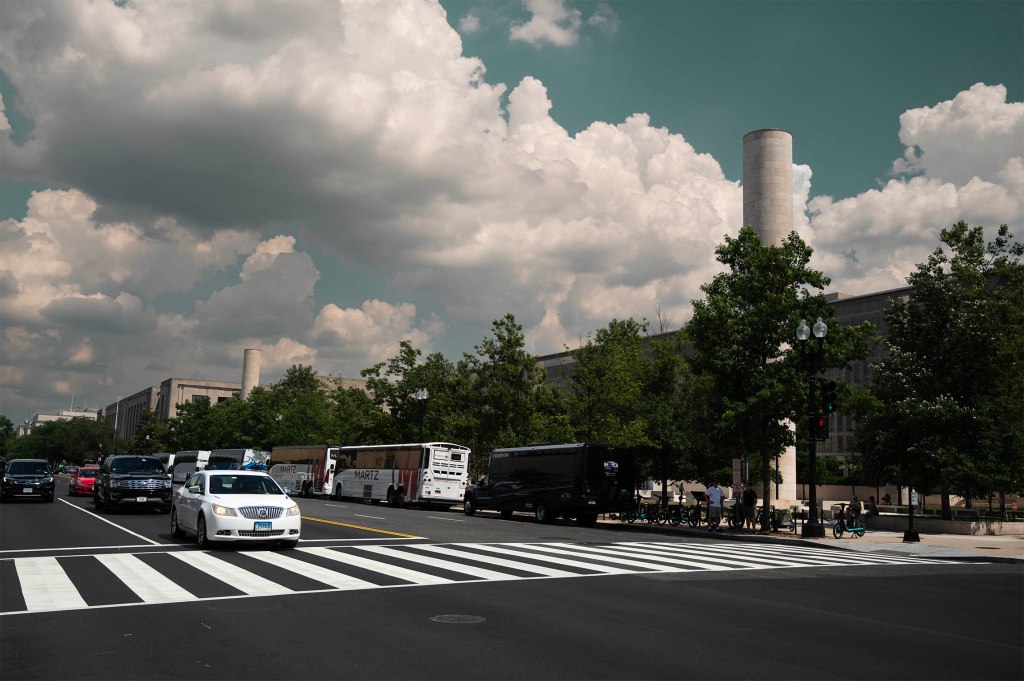
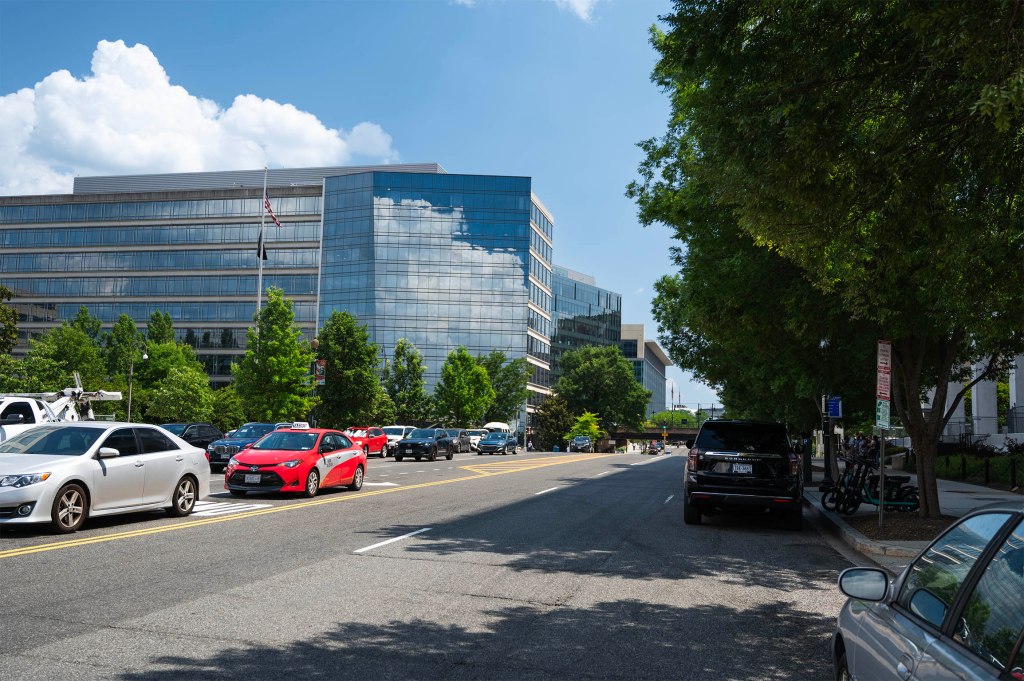
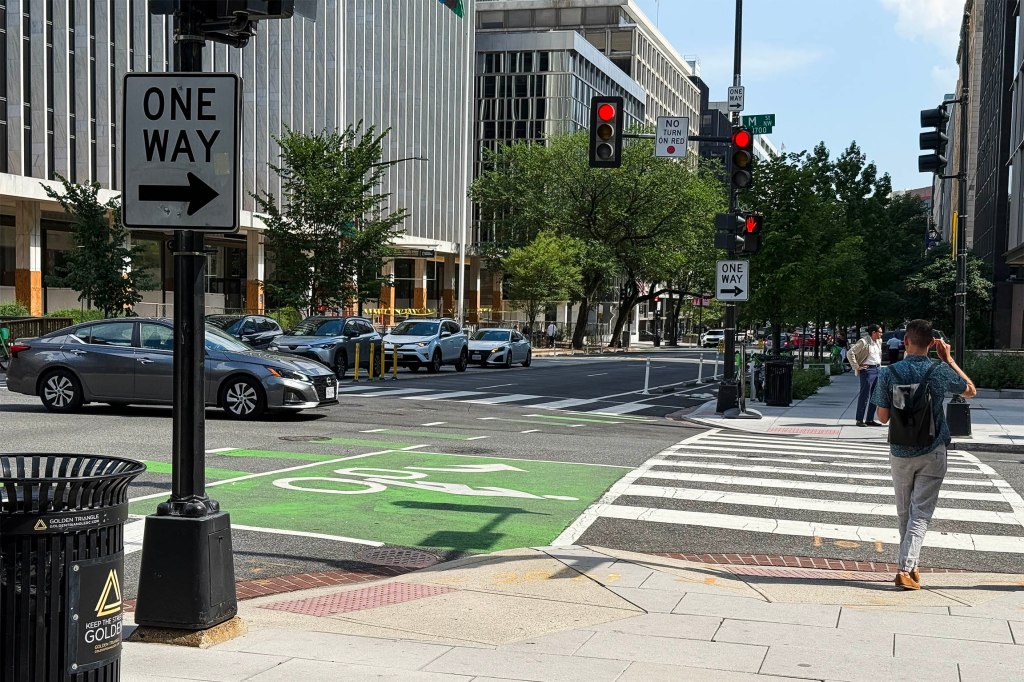
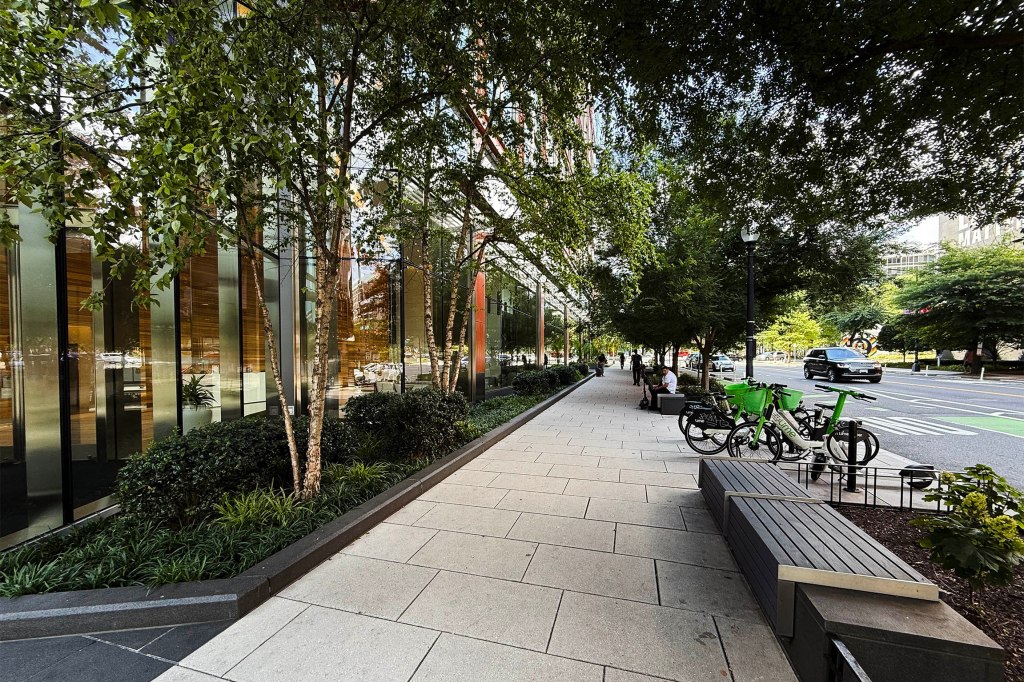
Buildings stood back from the streets rather than bearing down upon them. They were broad, sober and ceremonious—columns, colonnades, pediments and pale stone, with Greece and Rome never very far from the architect’s drawing board. Even government offices had been endowed with the dimensions and gravity of monuments. The enormous Herbert C. Hoover Building, home to the Department of Commerce, was one such presence. The Thomas Jefferson Building of the Library of Congress was another, although ‘building’ seemed an unnecessarily modest word for something so palatial. I had read of the soaring halls, domes, murals and extravagant ornamentation within, and hoped to see them for myself before I left Washington.
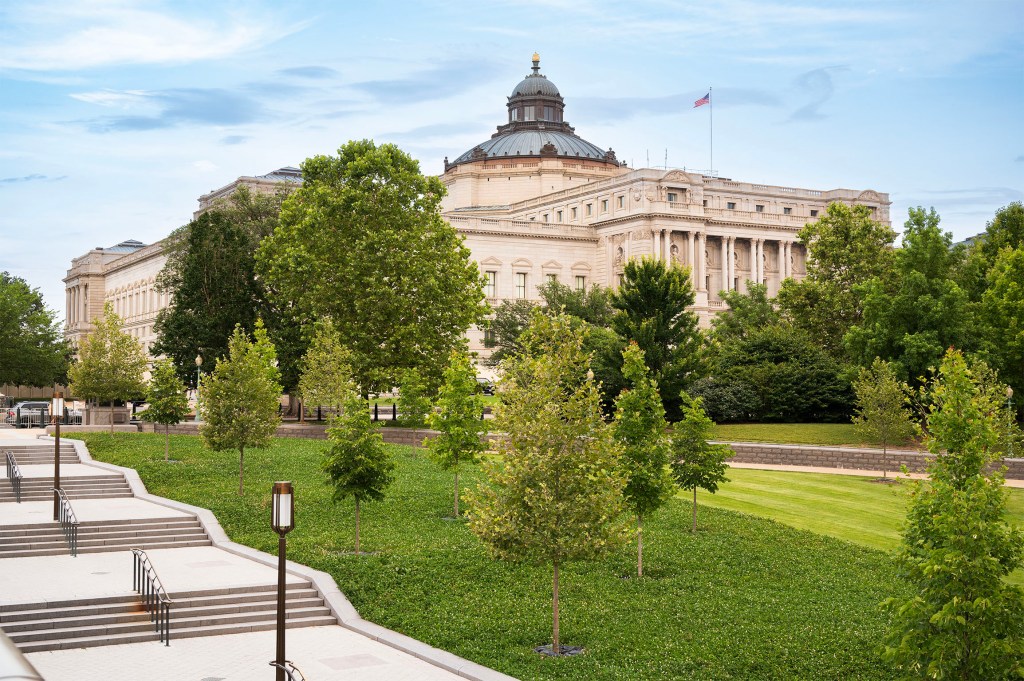
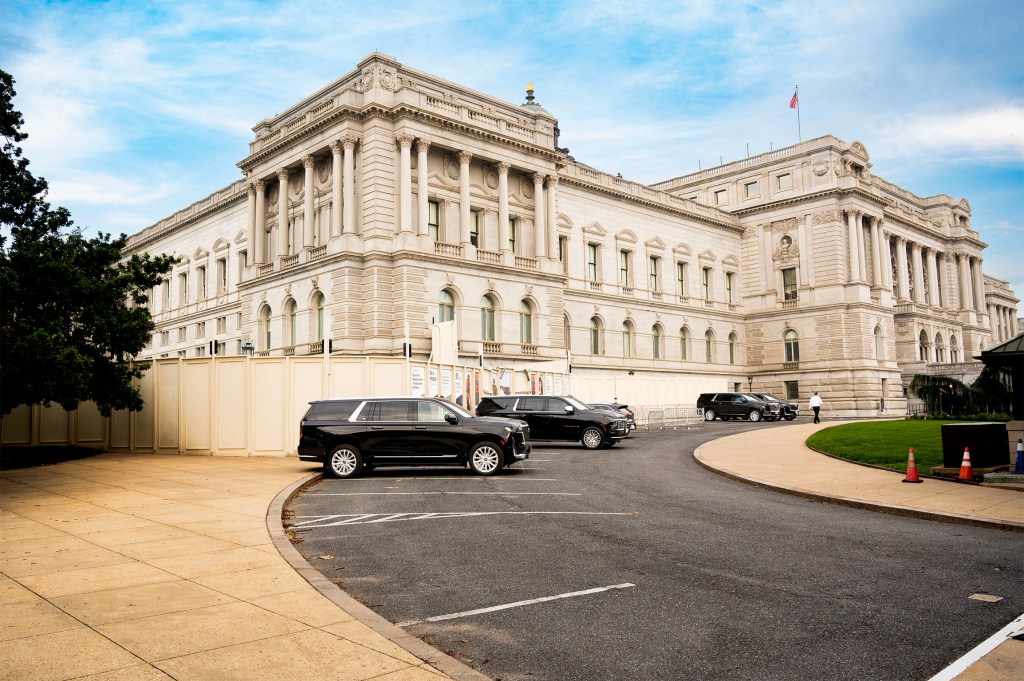
The people supplied a useful counterpoint to all this grandeur. They seemed occupied without appearing harried, and the faces on the streets came from everywhere. Washington had the unmistakable air of a capital, but unlike many great cities it did not demonstrate its power by looming over you. It laid it out before you—in avenues, lawns, stone façades and enormous quantities of space.
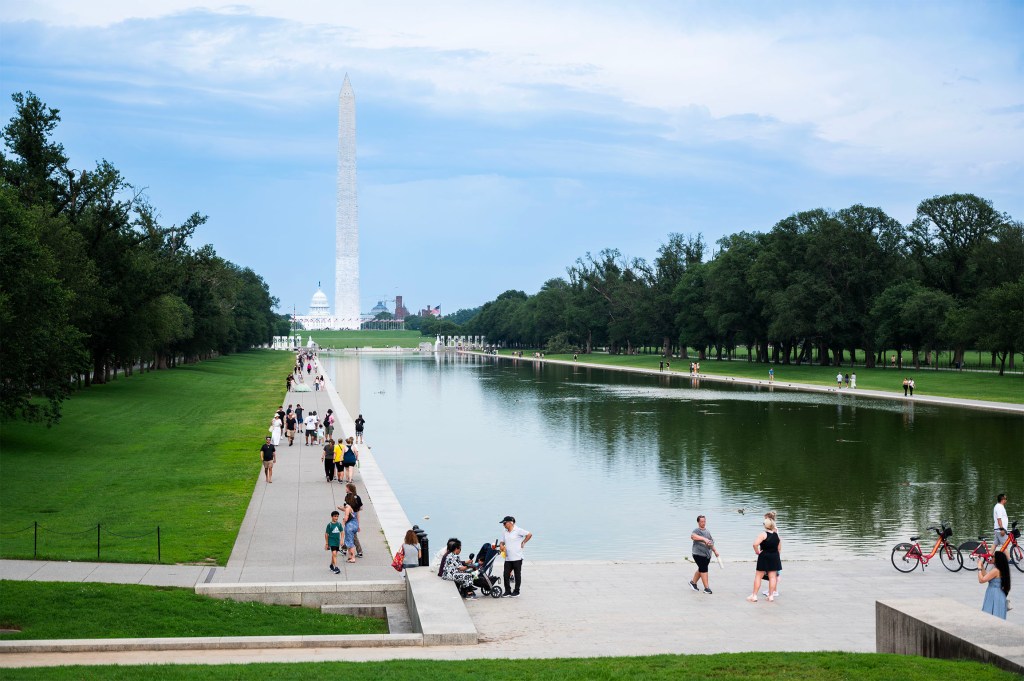
My friend proposed taking cabs between some of the monuments. I rejected the idea. I had a day and a pair of functioning legs, and Washington appeared to have been designed expressly to tempt both into overuse.
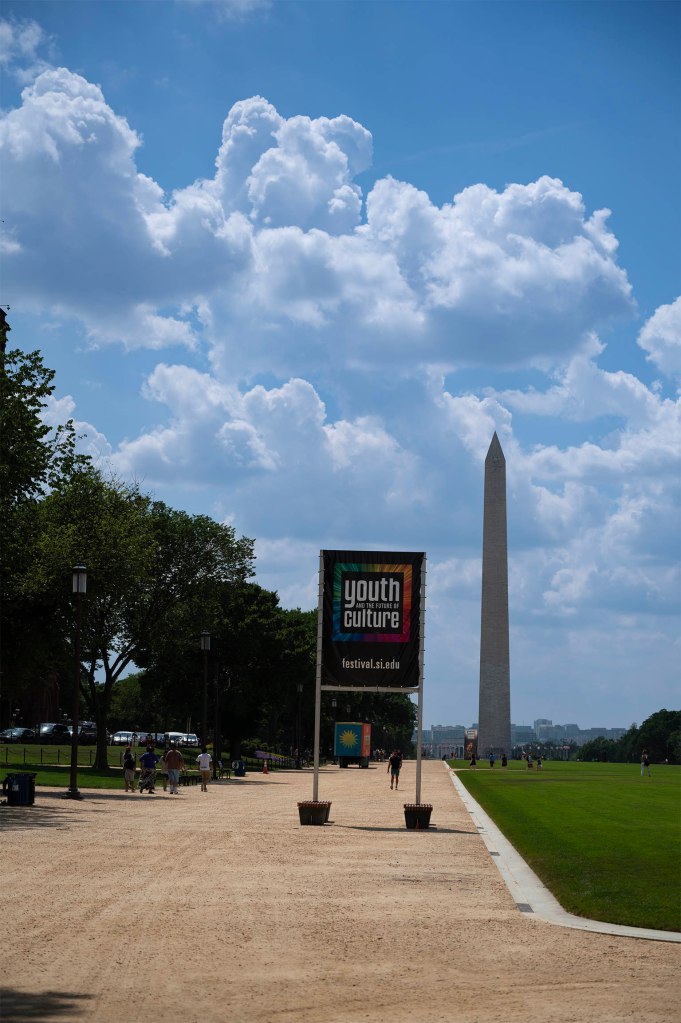
We crossed a vast green lawn towards the Washington Monument, the great pale obelisk rising almost implausibly out of it. I had already caught glimpses of it above and between buildings, but standing beneath it was different. Up close, I could see the change in the colour of the stone partway up its shaft, the visible scar of the long interruption in its construction.
And then, rather belatedly, the feeling of actually being in Washington finally hit me. It had not happened when I landed at Dulles, nor during the unexpectedly pleasant passage through immigration, nor from the cab as I watched an unfamiliar country slide past the window on the way to my hotel. Those were still the mechanics of foreign travel—airports, officials, roads, luggage. But standing beneath that enormous obelisk, with the Mall spreading around me, the fact suddenly acquired substance: I was in Washington, DC.
I had also made a rule for the day: I would not go inside monuments unless absolutely necessary. With only a handful of hours at my disposal, Washington would have to be taken largely from the outside.
And so we ambled westward, the city opening generously around us, until the Lincoln Memorial drew us on.
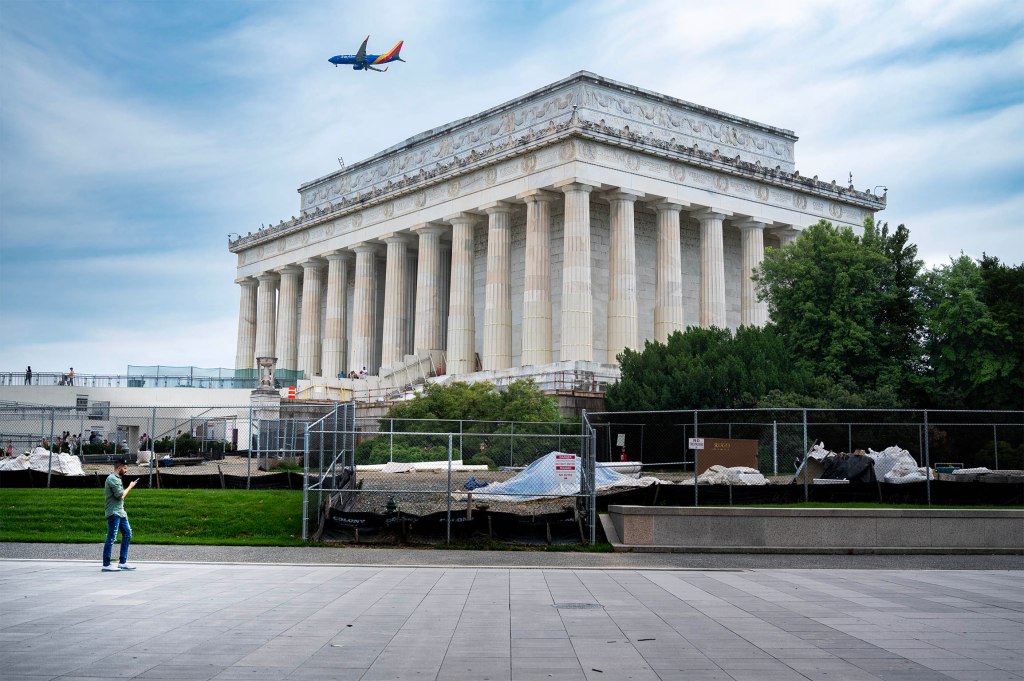
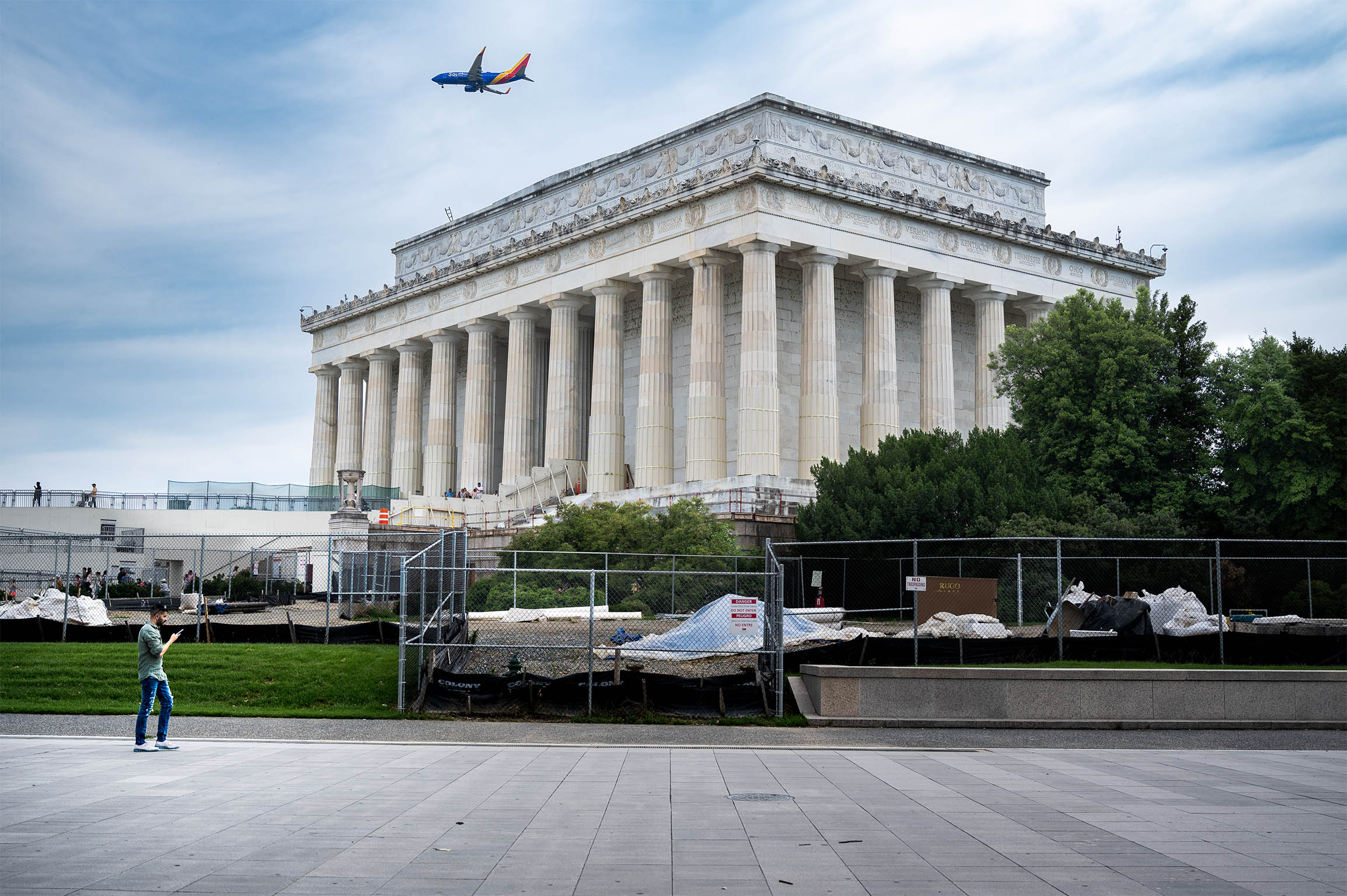
The Lincoln Memorial stands at the western edge of the Mall with an almost sacred solemnity. Modelled on the Parthenon, it is encircled by thirty-six great fluted Doric columns, one for each state in the Union when Lincoln died. The names of the forty-eight states that made up the Union when the memorial was dedicated appear higher on its walls; Alaska and Hawaii, latecomers to both the Union and the architecture, eventually had to make do with a plaque. Even the stone came from different parts of the country, an architectural metaphor for the Union Lincoln had struggled to preserve. There is symbolism everywhere, but none of it overwhelms the man sitting silently at the centre.
Lincoln occupies his enormous chair in a contemplative and commanding posture. On the walls flanking him are the Gettysburg Address and the Second Inaugural Address. Directly behind him are the words:
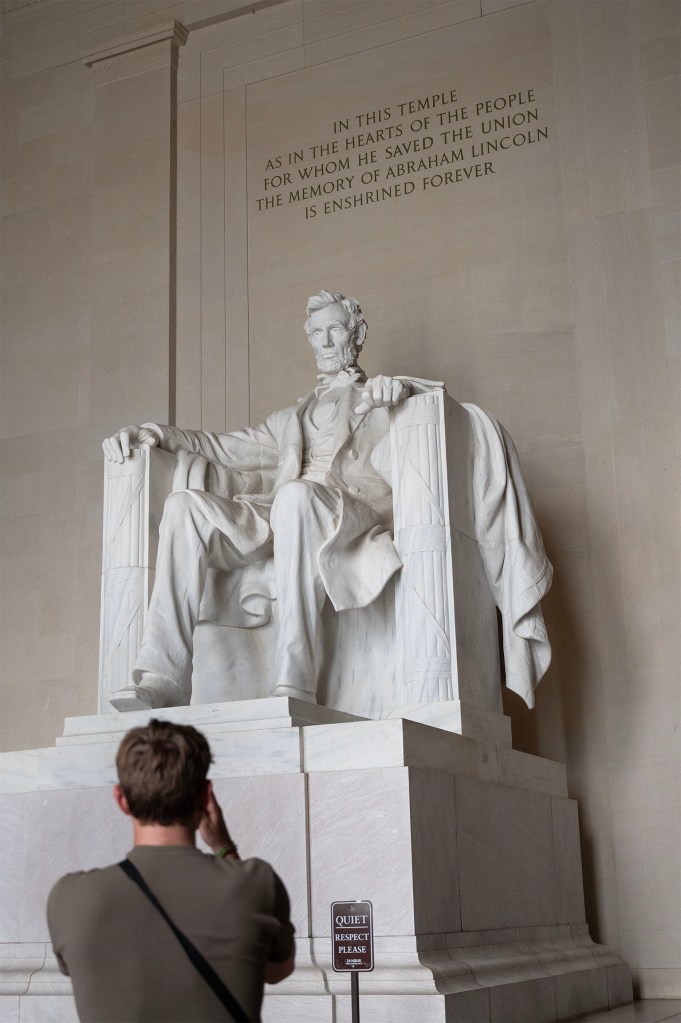
IN THIS TEMPLE
AS IN THE HEARTS OF THE PEOPLE
FOR WHOM HE SAVED THE UNION
THE MEMORY OF ABRAHAM LINCOLN
IS ENSHRINED FOREVER
The word temple did not seem extravagant. Everything about the place, the columns, the marble, the solemn chamber and the enormous seated figure, had been designed to invest democracy with the dignity of a civic religion.
That thought seemed particularly poignant in an age when democracy is handled rather less reverentially, especially in the great shouting bazaar of social media. Perhaps places like this serve a purpose beyond remembrance. They remind us that institutions which appear permanent were built, defended and sometimes paid for at an appalling price.
And here, finally, was the man from my father’s old quiz.
Lincoln’s journey had indeed been extraordinary. From a childhood of poverty and hard physical labour on the American frontier, he worked as a store clerk and surveyor, became a lawyer, entered politics and eventually reached the White House. There he found himself confronting the gravest constitutional crisis in American history. The old story of the boy from the log cabin becoming President may have been simplified by retelling, but its hold on generations, including, evidently, my father, was not difficult to understand. Unfortunately, my own appetite and aptitude for self-advancement were a considerable distance from those of the luminary before whose imposing figure I stood that late Sunday afternoon. My father had spent years holding up Mr Lincoln as evidence of what determination might accomplish. I could only hope he would have regarded my eventually turning up at the Memorial as some sort of progress.


I really enjoyed this! I went a few years ago as a chaperone for my son’s 8th grade class, and visited a lot of the same places as you. I really like how you put it “Washington did not need skyscrapers to proclaim its importance. Its power seemed to spread sideways.” How poetic and entirely true.
I’d like to share a quick story of the Lincoln Memorial, if I may. When we walked in, it was raining outside, and we found ourselves next to a Black man who was reading out loud Lincoln’s Second Inaugural Address with a voice that echoes throughout the chamber. He had tears in his eyes and we all found it quite moving. I found the place so steeped in contraction, history, beauty and sadness.
Thank you so much, and what a lovely story! I can imagine how moving that moment must have been. Perhaps Lincoln’s role in ending slavery gave his words an even deeper meaning for that gentleman. Hearing the Second Inaugural read aloud in that setting, with the rain outside and tears in the reader’s eyes, must have been unforgettable. And I love your description of the place as steeped in history, beauty and sadness. So true.
Like you, I would have headed for the train. I wonder if we will be alive for its 200th anniversary. I share Bridgette’s absorption in the vast sense of space you so eloquently evoke in your memorial section of this engaging visit. Your father trained you well.
Thank you! With both our childhoods spent within earshot of railway tracks, I suppose heading for the train was inevitable. And if you mean John Bull’s 200th anniversary in 2031, I am quite confident we will be around to celebrate it. I wonder if the Smithsonian will put the old fellow back on the tracks for the occasion.
The vast spaces were among my first impressions of Washington, along with the geometrical symmetry and the relatively low skyline. There is something wonderfully deliberate about the scale of the city.
And yes, I noticed that my father had “trained” me well. He certainly did, in more ways than one!
I’m pleased you didn’t miss that one, Uma – but then, you wouldn’t.
Ha! You know me too well, Derrick. Some puns are simply too good to leave at the station. 😊
🙂
Though, sometimes a pun can lead you off the track…
That’s the risk punters take every time they ride a wave. 😉
I’m embarrassed to say that, even though I live in the US, I’ve never been to Washington. After reading this post, I realize what I’ve been missing. And I believe your father would be very proud of the man you have become!
The U.S. is a huge country, and I suppose it’s not uncommon for Americans not to have visited many of its prominent cities. I’m sure you’d be pleased to visit Washington, though. The thought of my father approving of my progress in the world is a heartwarming one. Thank you very much for saying that.
I’ve been missing your engaging posts.
I have to save up for a trip to D.C. I have wanted to go for so long, and this was a great jaunt. Thank you for taking us there with you.
I am also a great train enthusiast and did not get to go see the Big Boy locomotive in person recently when it trekked from west to east and back again.
Perhaps ’31 is far enough ahead to plan for and accomplish. I did not know that about the anniversary and I would love to be there.
Thank you! I do hope you make it to Washington. There is so much there that even a few days barely scratch the surface.
And how I would have loved to see Big Boy in person, or better still, sit in a carriage behind that magnificent machine! And yes, 2031 gives you plenty of time to plan. Who knows, they will find a way to bring John Bull to life again for its 200th anniversary.
Childhood dreams sometimes come true is strange and unexpected ways. Even though it was a short visit you could cover so much without missing the historical links both personal and American.
Thank you very much. Washington was more one of those many childhood fascinations that stayed with me, especially through trains and my father’s stories. So simply being there was deeply fulfilling. A few days, though, can only scratch the surface of all the history Washington embodies.
Thank you for the vicarious trip to DC.
Was the ‘Southern Railway No. 1401, a Ps-4 class steam locomotive’ used by the Indian Railways ever or is it just an iconic engine that your father mentioned and you wanted to check out?
The charm of chugging along in a train cannot be matched by any other mode of transport.
Thank you very much. Nothing quite matches the romance of a steam-hauled train. No. 1401 itself never ran on Indian Railways, though American-built steam locomotives certainly did, including some that hauled our prestigious trains. My father, being a railwayman, had read about the Ps-4 and wanted to see this particular beauty someday. I suppose I ended up making the visit for both of us.